From clay pot curries to slow-simmered stews, traditional slow-cooking methods are returning to home kitchens. Discover why this age-old technique is winning hearts again.
For more slow-cooked inspiration, explore BBC’s collection of slow-cooked comfort food recipes — perfect for cozy evenings at home.
H2: Introduction
There’s something deeply comforting about slow-cooked food. The aroma that fills your kitchen for hours. The way flavors meld together. The tenderness that only time can achieve.
In our fast-paced world, we’ve become addicted to quick meals, instant pots, and 15-minute recipes. But something interesting is happening. In 2026, home cooks are rediscovering the joy of slow cooking. They’re pulling out their grandmother’s clay pots, simmering curries for hours, and embracing the patience that traditional cooking demands.
Why this sudden shift? Let’s explore the reasons behind this delicious comeback.
The Rise of Slow Cooking — What’s Changing?
For years, we were told that faster is better. Quick meals, ready in minutes. But somewhere along the way, we lost something important — the connection to our food, the ritual of cooking, and the deep satisfaction that comes from making something from scratch, slowly and with care.
In 2026, that’s changing. People are pushing back against the culture of speed. They’re realizing that good food takes time, and that time is worth spending.
Social media is playing a big role too. Food influencers are showcasing slow-cooked meals in beautiful, nostalgic settings. Videos of clay pot curries, slow-roasted meats, and simmering stews are getting millions of views. There’s a growing appreciation for the visual and emotional appeal of slow cooking.
Health is another factor. Slow cooking preserves nutrients better than high-heat cooking. It allows flavors to develop naturally without the need for excess salt, sugar, or artificial additives. People are becoming more conscious of what goes into their food, and slow cooking fits perfectly into that mindset.
Why Slow Cooking Tastes Better
The science behind slow cooking is simple. When you cook food at a low temperature for a long time, the collagen in meats breaks down into gelatin, making the meat incredibly tender. Starches are fully hydrated, resulting in creamy textures. And most importantly, flavors have time to meld.
Spices bloom slowly, releasing their essential oils without burning. Ingredients infuse into each other, creating a depth of flavor that no quick recipe can replicate. The result is food that tastes like it was made with love — because it was.
Slow cooking is also forgiving. You don’t need precise timing or perfect technique. The low heat prevents burning and gives you a wide window to adjust seasonings as you go.
The Return of Traditional Cookware
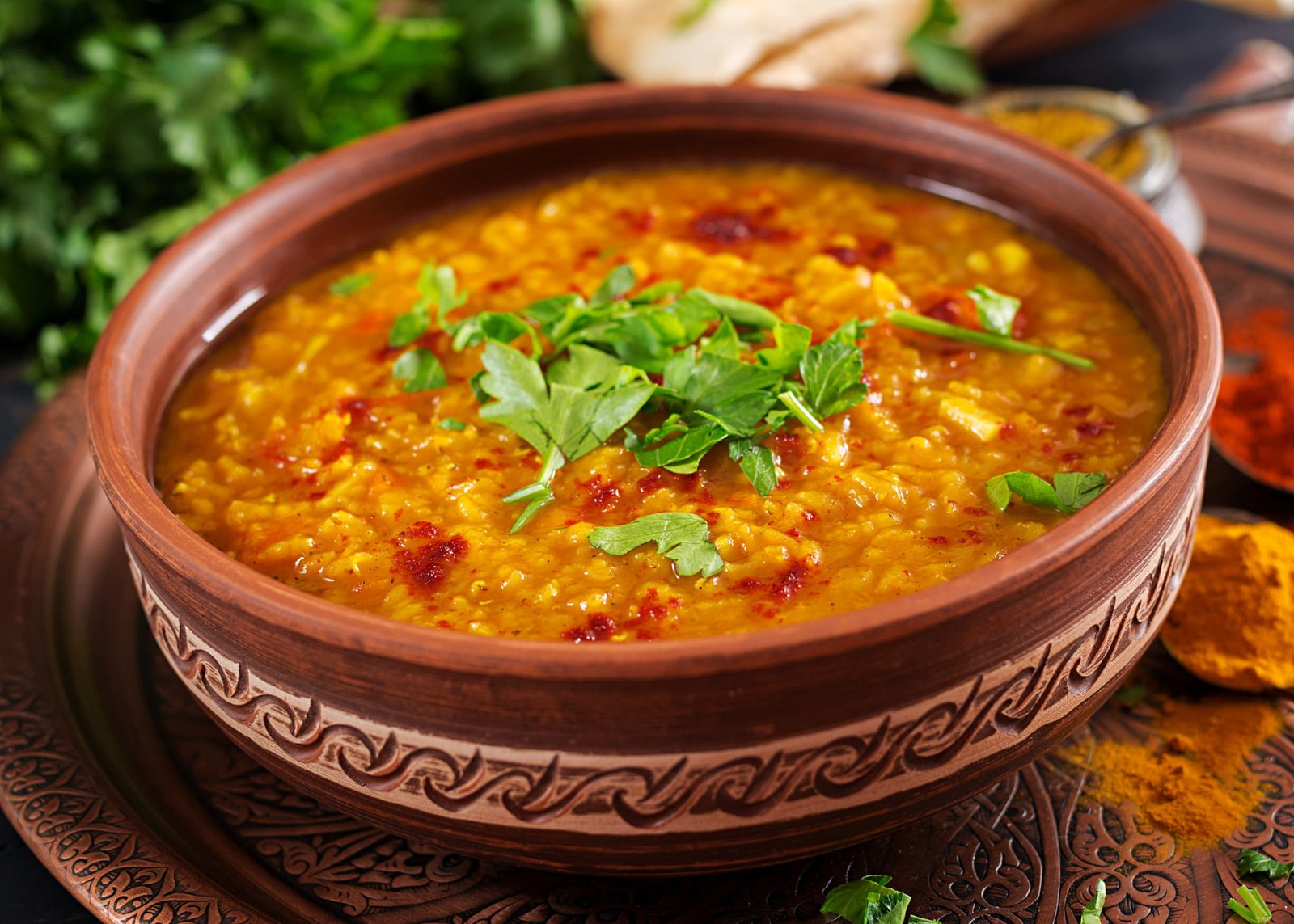
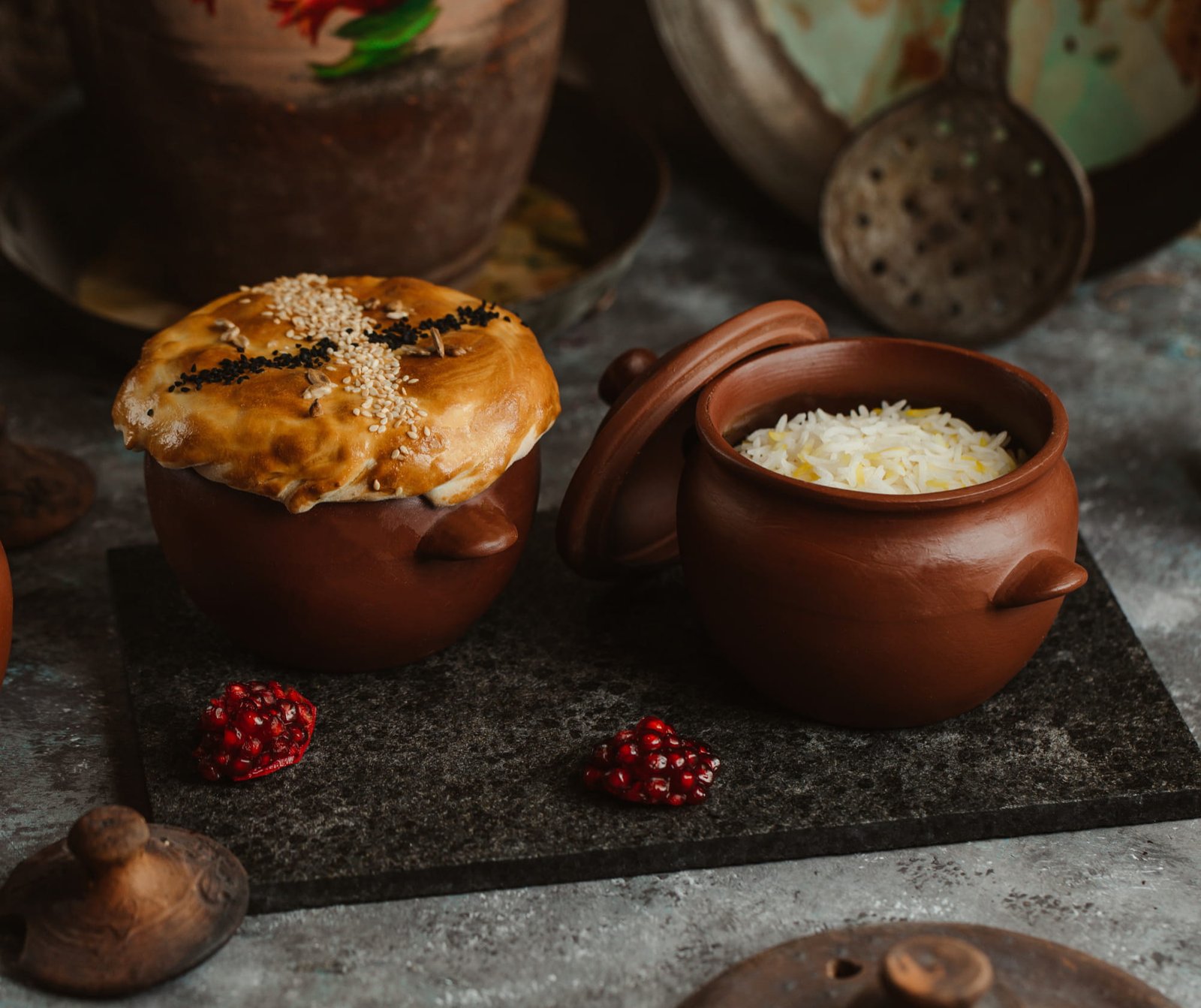
One of the most exciting trends is the return of traditional cookware. Clay pots, also known as handis, are making a strong comeback.
Cooking in clay adds a unique earthy flavor to dishes that no other material can replicate. Clay pots are also naturally porous, allowing steam to circulate and preventing food from becoming dry. They’re perfect for slow-cooking curries, biryanis, and stews.
But it’s not just clay. Cast iron pots, iron tawas, and bronze vessels are also finding their way back into modern kitchens. Cooks are rediscovering that traditional tools often work better than modern ones for certain dishes.
Slow-Cooked Favorites in 2026
Here are some slow-cooked dishes that are trending right now:
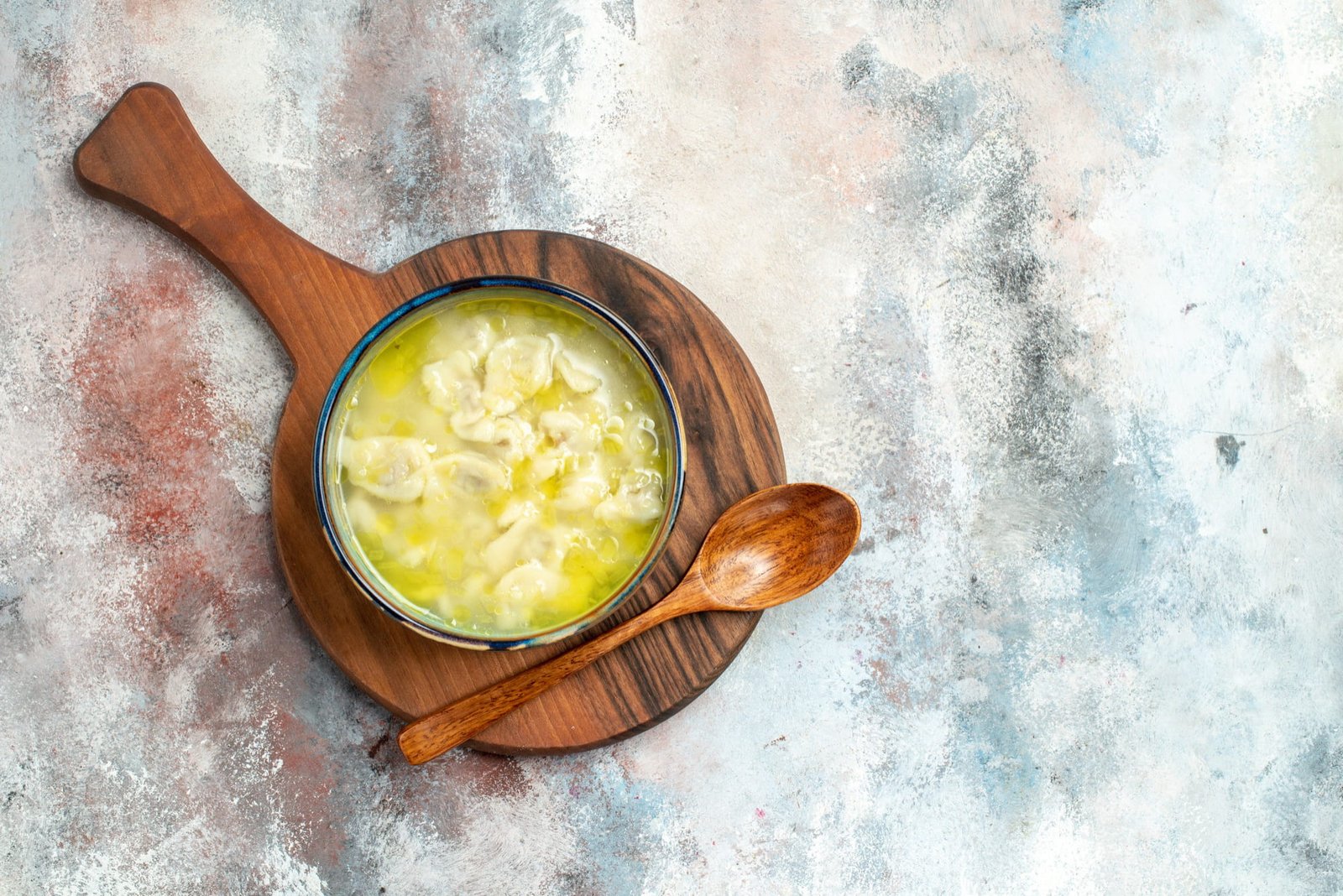
- Old-Style Stews are making a comeback as people seek warming comfort foods.
- Slow-Cooked Curries are gaining popularity as home cooks recreate the depth of restaurant flavors. Bone Broth remains a staple, with wellness enthusiasts touting its health benefits. One-Pot Meals are being rediscovered, allowing for easy cleanup and hearty, flavorful meals.
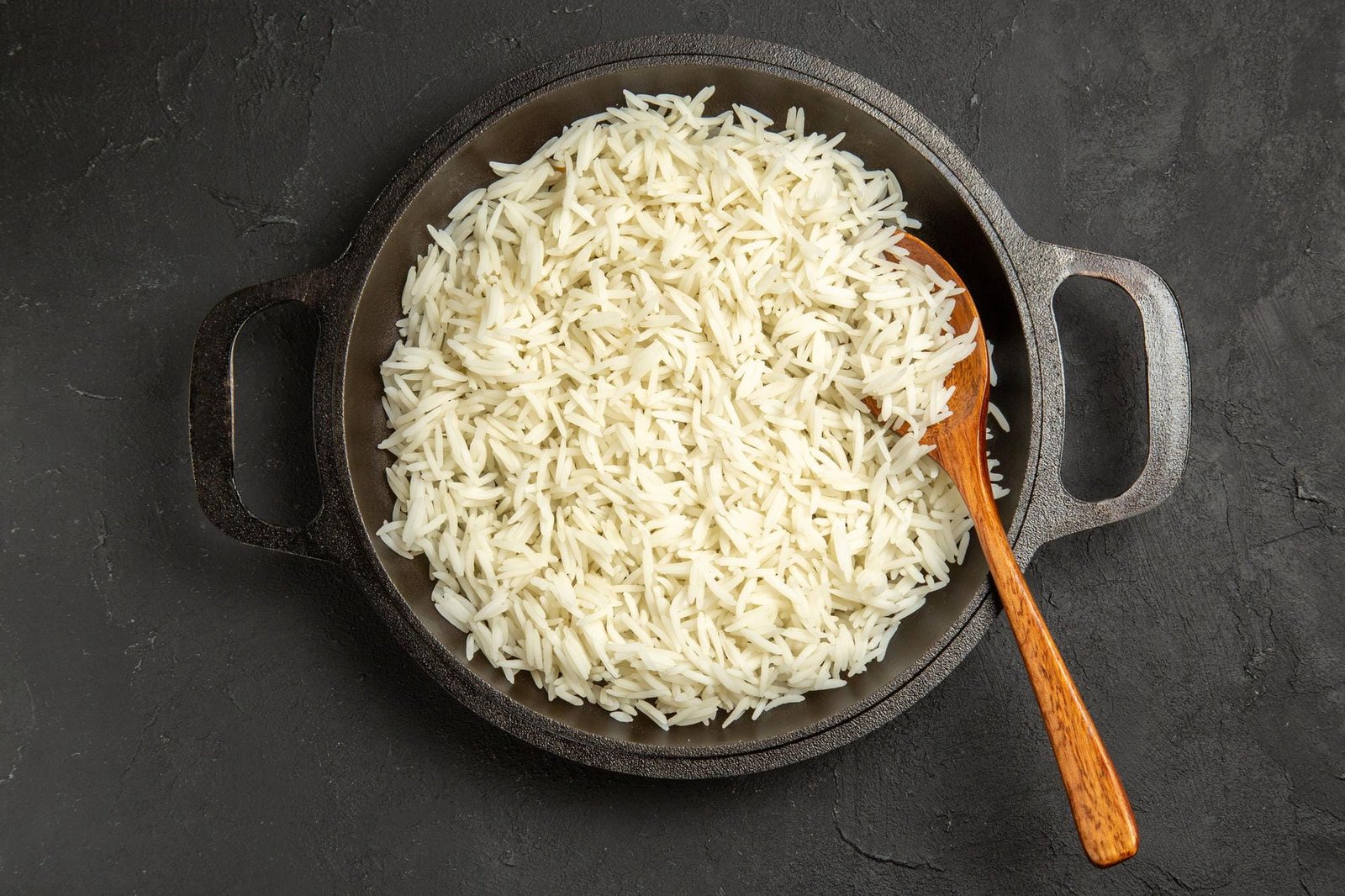
- Rice Dishes like biryani and slow-cooked pulaos are also trending as people appreciate the layered flavors that only develop with time. Slow-cooked beans and lentils are another favorite, transforming simple ingredients into rich, satisfying meals.
Tips for Slow Cooking at Home
Be Patient
Slow cooking is about patience. Resist the urge to rush. Let the dish cook at its own pace.
Use the Right Cookware
A heavy-bottomed pot, clay pot, or cast iron vessel works best. These distribute heat evenly and prevent burning.
Layer Your Flavors
Sauté your aromatics first. Toast your whole spices. Brown your meat. These steps build the foundation of flavor.
Cook on Low Heat
The key to slow cooking is low, steady heat. High heat will toughen meat and burn your spices.
Taste and Adjust
Slow cooking gives you time to taste and adjust seasonings. Don’t be afraid to add more salt, spices, or acid as you go.
If you’re interested in traditional cookware, check out our guide on Cooking with Clay Pots — Benefits and Techniques for more insights.
How Slow Cooking Fits Into Modern Life
You might be wondering — how can I fit slow cooking into my busy schedule? The beauty is that slow cooking is actually easier than fast cooking once you master the basics.
Plan ahead. Start your meal in the morning and let it cook while you work. The active cooking time is minimal — most of the work happens while you’re doing other things.
Double your batch and freeze leftovers for busy days. A slow-cooked curry or stew tastes even better the next day, making it perfect for meal prep.
Slow cooking is also budget-friendly. Tougher cuts of meat, which are less expensive, become incredibly tender when slow-cooked. Lentils and beans are affordable and nutritious. You get more flavor from fewer ingredients.
What’s Next for Slow Cooking?
The slow food movement is here to stay. In 2026 and beyond, we’ll likely see more people embracing traditional techniques like clay pot cooking, fermentation, and sourdough baking.
Technology is also catching up. Smart slow cookers and induction-compatible traditional cookware are making it easier to combine old techniques with modern convenience. But the heart of slow cooking remains the same — patience, care, and a love for good food.
Frequently Asked Questions
Is slow cooking difficult?
Not at all. Slow cooking requires patience but very little active effort. Once you know the basics, it’s one of the easiest ways to cook.
Do I need special cookware?
A heavy-bottomed pot works for most recipes. Clay pots are wonderful but not essential.
Can I slow cook on a stovetop?
Yes. Just keep the flame on the lowest setting and check occasionally. You may need to add a little water as it simmers.