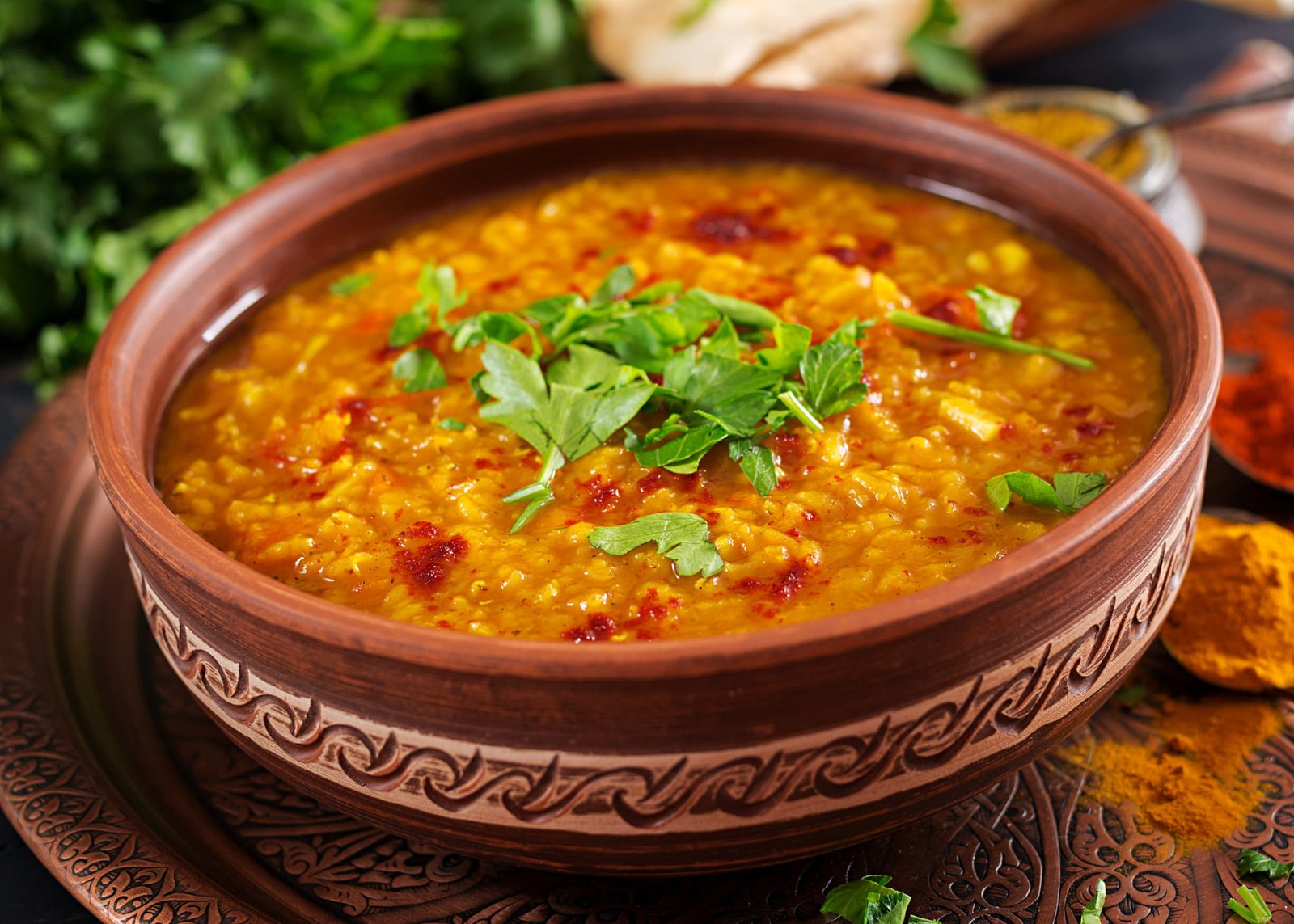
How to make masoor dal that is soft, comforting and full of flavour? This easy recipe uses red lentils, everyday spices and a simple garlic tadka to make a homemade dal with a smooth texture and a warm, savoury taste. The steps are straightforward, making it suitable for beginners and anyone looking for a simple desi meal.
How to Make Masoor Dal: Recipe Overview
This recipe uses split red lentils, also known as masoor dal. The lentils are simmered with onion, tomato and basic spices until tender, then finished with a fragrant garlic tadka. You can adjust the consistency with water to make the dal thicker or thinner according to your preference.
| Recipe detail | Information |
| Preparation time | 10 minutes |
| Cooking time | 25–30 minutes |
| Total time | Approximately 35–40 minutes |
| Servings | 3–4 |
| Difficulty | Easy |
| Cooking method | Stovetop |
Cooking time may vary depending on the lentil variety, the age of the lentils and the heat level. The following instructions are a starting point for split red lentils.
Ingredients for Easy Masoor Dal
The following quantities make approximately three to four servings.
| Ingredient | Quantity |
| Split red lentils (masoor dal) | 1 cup |
| Water | 3 cups, plus extra if needed |
| Onion, finely chopped | 1 medium |
| Tomato, chopped | 1 medium |
| Ginger-garlic paste | 1 teaspoon |
| Turmeric powder | ¼ teaspoon |
| Red chilli powder | ½ teaspoon, or to taste |
| Salt | 1 teaspoon, or to taste |
| Cooking oil | 2 tablespoons |
| Fresh coriander, chopped | 1 tablespoon, optional |
For the garlic tadka:
| Ingredient | Quantity |
| Cooking oil or ghee | 1 tablespoon |
| Garlic cloves, thinly sliced | 3 |
| Cumin seeds | ½ teaspoon |
| Dried red chilli | 1, optional |
You can adjust the salt and chilli to your taste. The extra tadka is optional, but it adds a noticeable garlic aroma and a richer finish to the dal.
How to Make Masoor Dal Step by Step
Step 1: Rinse the Lentils
Place the masoor dal in a bowl and cover it with water. Gently rub the lentils between your fingers, then drain the cloudy water. Repeat two or three times until the water looks clearer.
Rinsing removes dust and loose starch. Split red lentils generally do not need soaking, so you can cook them directly after rinsing.
Step 2: Cook the Onion and Ginger-Garlic Paste
Heat two tablespoons of oil in a medium-sized pot over medium heat. Add the chopped onion and cook for about 4–5 minutes, stirring occasionally, until softened and lightly golden.
Add the ginger-garlic paste and cook for another 30–60 seconds. Stir regularly so it releases its aroma without burning.
Step 3: Add the Tomato and Spices
Add the chopped tomato, turmeric powder, red chilli powder and salt. Cook for about 3–4 minutes, stirring occasionally, until the tomato softens and begins to break down.
This mixture forms the flavour base for the Pakistani masoor dal. If the mixture starts sticking to the pot, add a small splash of water and lower the heat.
Step 4: Add the Lentils and Water
Add the rinsed lentils and three cups of fresh water. Stir to combine, then bring the mixture to a gentle boil.
Reduce the heat to low or medium-low and partially cover the pot. Leave enough space for steam to escape, and stir occasionally to prevent the lentils from sticking to the bottom.
Step 5: Simmer Until Soft
Cook for approximately 20–25 minutes, or until the lentils are soft and beginning to break down. Check the pot occasionally and add a little hot water if the dal becomes too thick before the lentils are tender.
Once cooked, stir the dal to create a smoother texture. If you prefer a thinner consistency, add a little more hot water and simmer for another minute or two. The cooking time may vary, so check the lentils rather than relying on the clock alone.
Step 6: Prepare the Garlic Tadka
Heat one tablespoon of oil or ghee in a small pan over medium-low heat. Add the cumin seeds and let them sizzle briefly.
Add the sliced garlic and optional dried red chilli. Fry for about 30–60 seconds, stirring carefully, until the garlic turns light golden. Avoid browning it too much, as burnt garlic can taste bitter.
Step 7: Finish and Serve
Pour the hot garlic tadka over the cooked dal and stir gently to distribute the flavour. Taste and adjust the salt or chilli if needed.
Add chopped fresh coriander if desired. Serve the masoor dal warm, with the consistency you prefer.
Common Mistakes to Avoid
Adding Too Little Water
Red lentils absorb water as they cook. If the pot becomes dry before the lentils soften, they may stick to the bottom. Check the consistency during cooking and add a little hot water when necessary.
Cooking on High Heat Throughout
High heat can make the water evaporate too quickly and cause the lentils to stick. Once the mixture boils, reduce the heat and let the dal simmer gently.
Skipping the Stirring
Lentils can settle at the bottom of the pot, especially as the mixture thickens. Stir occasionally and scrape the bottom gently to help prevent sticking.
Burning the Garlic Tadka
Garlic cooks quickly and can become bitter if it turns dark brown. Keep the heat moderate and remove the pan from the heat once the garlic is light golden.
Adding Too Much Chilli or Salt
Spices and salt can become more noticeable as the dal thickens. Start with the suggested quantities, then taste and adjust near the end of cooking.
What to Serve With Masoor Dal
Masoor dal has a warm, savoury flavour that pairs well with simple accompaniments. Choose options according to your preference:
- Achar: Mango or mixed vegetable pickle adds a tangy, spicy contrast to the mild lentils.
- Raita: Plain yoghurt raita provides a cool, creamy contrast to the spices.
- Chutney: Mint or coriander chutney adds a fresh, tangy flavour.
You can keep the accompaniments simple so the flavour of the dal remains the main focus.
Frequently Asked Questions
Do I Need to Soak Masoor Dal Before Cooking?
No. Split red lentils usually cook without soaking. Rinse them thoroughly before adding them to the pot. If you choose to soak them, cooking time may be shorter, so check their texture earlier.
How Long Does Masoor Dal Take to Cook?
Split red lentils generally take about 20–25 minutes to soften after the mixture comes to a simmer. Preparation and tadka add extra time, so this recipe takes approximately 35–40 minutes overall.
How Can I Make Masoor Dal Thicker or Thinner?
For thicker dal, simmer it uncovered for a few extra minutes, stirring regularly. For thinner dal, add a little hot water and stir until you reach the consistency you prefer.
Can I Make Masoor Dal Without Garlic Tadka?
Yes. You can serve the dal without tadka if you prefer a simpler preparation. The cooked lentils will still have flavour from the onion, tomato and spices, although the garlic tadka adds extra aroma.
Why Is My Masoor Dal Still Hard?
The lentils may need more cooking time or water. Add a little hot water, cover the pot partially and continue simmering until the lentils soften. Older lentils can sometimes take longer to cook.
How Should I Store Leftover Masoor Dal?
Let the dal cool briefly, then transfer it to a covered container and refrigerate it promptly. Use refrigerated leftovers within 3–4 days and reheat until steaming hot throughout. Add a little water while reheating if the dal has thickened. Freeze portions if you need to keep them longer, and thaw them safely before reheating.