Discover everything you need to know about cooking with lentils — from choosing the right variety to mastering the perfect texture. This comprehensive guide covers it all.
Introduction
Lentils are the backbone of traditional Indian cooking. They’re nutritious, affordable, and incredibly versatile. From the comforting khichdi of the north to the tangy sambar of the south, lentils are at the heart of countless regional dishes.
But cooking with lentils can be tricky. Some people struggle with undercooked lentils, others with mushy textures. The good news? With a little knowledge and the right techniques, anyone can master the art of cooking lentils.
In this guide, I’ll share everything you need to know about cooking with lentils — the different varieties, how to prepare them, cooking techniques, and common mistakes to avoid. I’ve cooked countless lentil dishes in my kitchen, and I’m excited to share what I’ve learned.
Why Lentils Are Essential
Lentils are a staple in Indian kitchens for good reason. They’re an excellent source of plant-based protein, fiber, and essential nutrients like iron and folate. They’re also incredibly versatile — they can be used in soups, stews, curries, salads, and even desserts.
In traditional Indian cooking, lentils are more than just an ingredient. They’re comfort food. They’re the dish that reminds you of home, of family gatherings, and of simple, nourishing meals.
Types of Lentils and Their Uses
Moong Dal (Split Yellow Lentils)
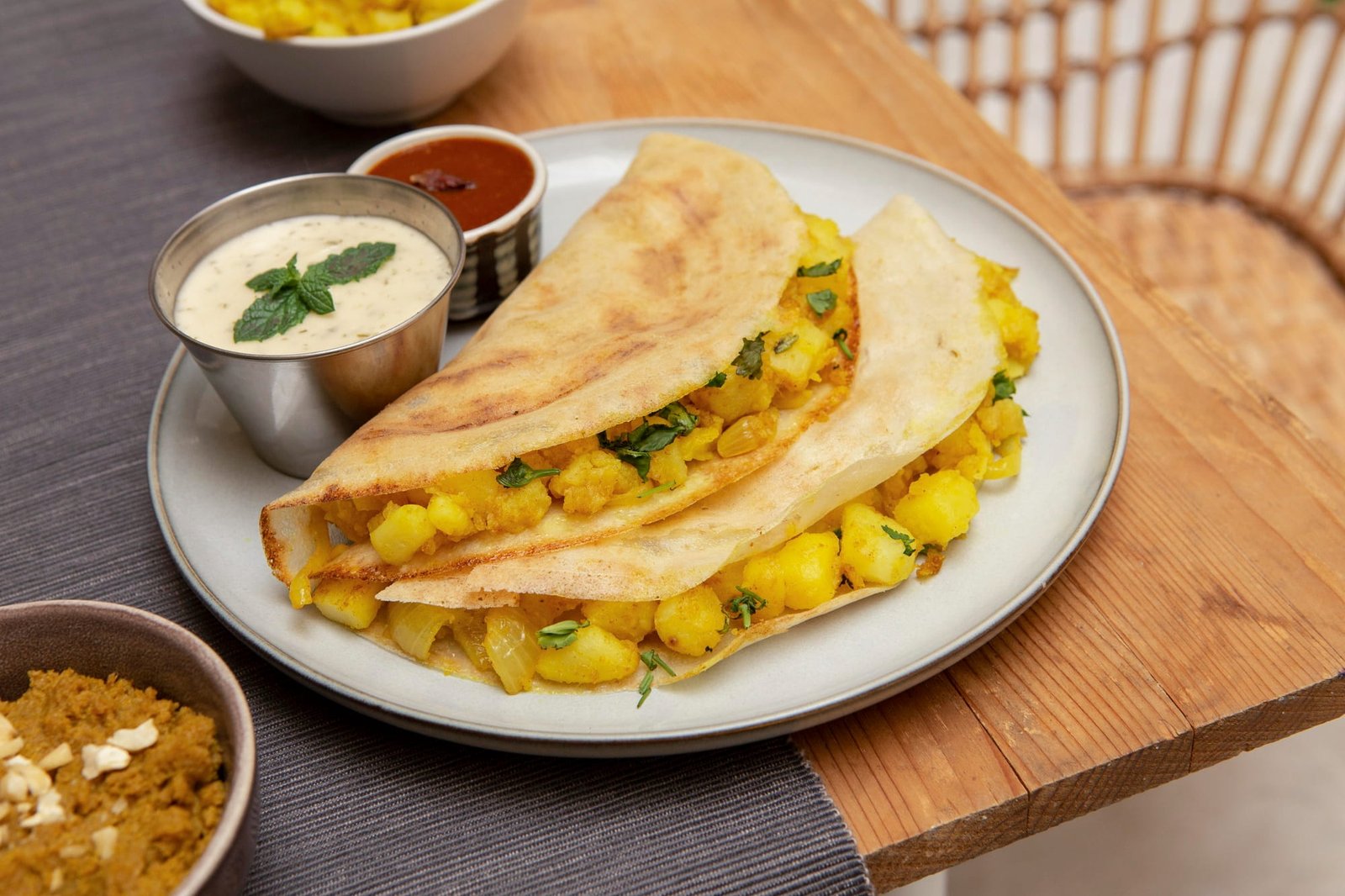
Moong dal is one of the most commonly used lentils in Indian cooking. It’s light, easy to digest, and cooks quickly. It’s used in khichdi, dosa, and various soups and stews. It’s also ground into flour for making snacks and desserts.
Masoor Dal (Red Lentils)
Masoor dal is a popular lentil in North India. It cooks quickly and has a warm, earthy flavor. It’s perfect for soups, stews, and dal tadka. It’s also great for making quick, comforting meals.
Toor Dal (Split Pigeon Peas)
Toor dal is a staple in South Indian cooking. It’s used in sambar, rasam, and various curries. It has a slightly nutty flavor and cooks well in a pressure cooker.
Chana Dal (Split Chickpeas)
Chana dal is a split chickpea that’s popular in North Indian cooking. It has a nutty flavor and a slightly firm texture. It’s used in curries, soups, and even sweets like halwa.
Urad Dal (Black Gram)
Urad dal is a rich, creamy lentil that’s used in many dishes. It’s the main ingredient in dal makhani and is also used in dosa and idli batter. It has a distinct earthy flavor.
Whole Lentils vs. Split Lentils
Whole lentils take longer to cook and have a firmer texture. Split lentils cook faster and break down more easily, making them ideal for soups and purees.
How to Prepare Lentils
Rinse and Sort
Before cooking, rinse the lentils thoroughly under running water. Remove any debris, stones, or damaged lentils. Rinsing helps remove excess starch and prevents the lentils from becoming too starchy.
Soaking
Soaking lentils reduces cooking time and improves digestibility. Whole lentils should be soaked for 4 to 6 hours. Split lentils can be soaked for 30 minutes to 1 hour.
Cooking Techniques
Stovetop Method
The stovetop method is the most common way to cook lentils. Add the lentils to a pot with water or broth. Bring to a boil, then reduce the heat and simmer until tender. The cooking time varies depending on the type of lentil.
Pressure Cooker Method
A pressure cooker is a game-changer for cooking lentils. It significantly reduces cooking time and ensures perfectly cooked lentils every time. For split lentils, cook for 2 to 3 whistles. For whole lentils, cook for 4 to 5 whistles.
Common Mistakes to Avoid
Undercooking Lentils
Undercooked lentils can be hard and difficult to digest. Make sure to cook them until they’re tender.
Overcooking Lentils
Overcooked lentils can become mushy and lose their texture. Keep an eye on them and stop cooking when they’re just tender.
Adding Salt Too Early
Adding salt early can make the lentils tough. Add salt after the lentils are cooked.
Frequently Asked Questions
Q: Do I need to soak lentils before cooking?
A: Soaking reduces cooking time and improves digestibility. Whole lentils should be soaked for 4 to 6 hours. Split lentils can be soaked for 30 minutes to 1 hour.
Q: Why do lentils foam while cooking?
A: Foaming is normal — it’s caused by the release of starches and proteins. Skim the foam off with a spoon.
Q: Can I cook lentils without soaking?
A: Yes, but they’ll take longer to cook. Whole lentils can take up to an hour to cook without soaking.