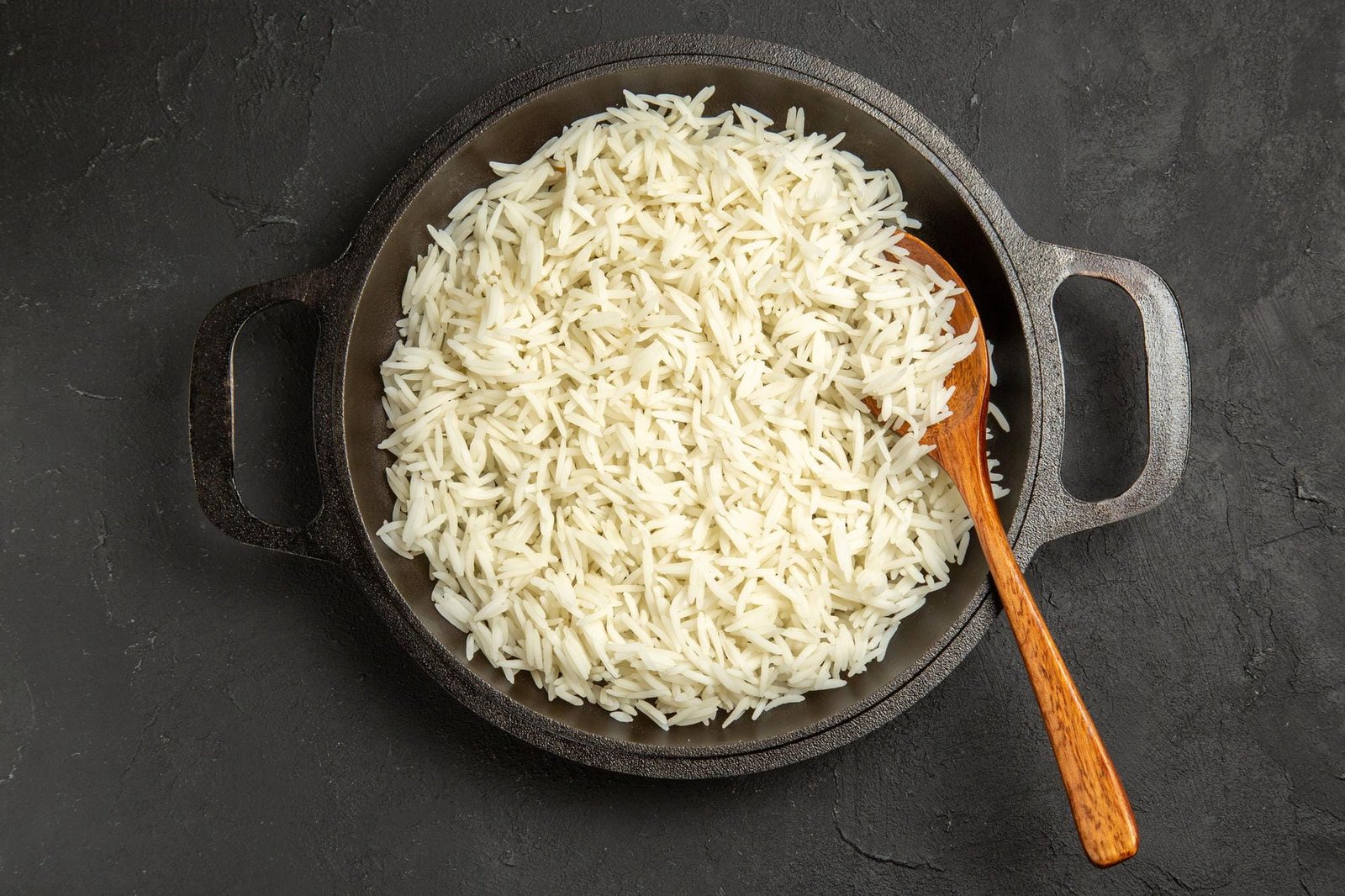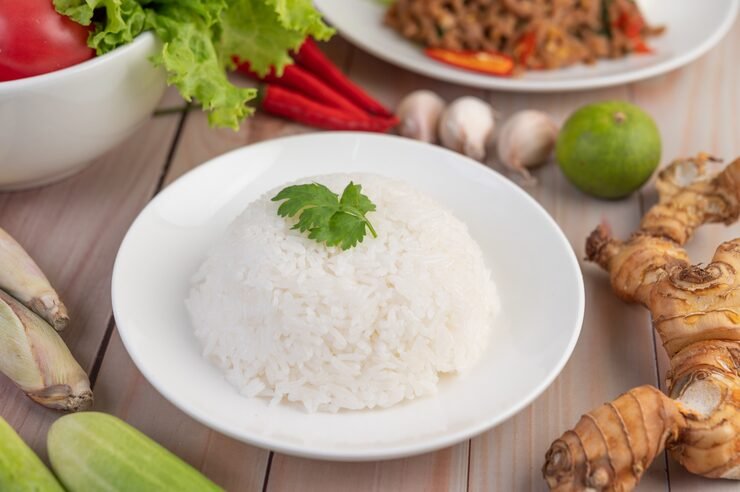
Master the art of cooking perfect, fluffy rice — every single time. This comprehensive guide covers everything from choosing the right rice to mastering the water-to-rice ratio and cooking techniques.
Introduction
Rice is a staple in countless cuisines around the world. It’s the foundation of many meals, from simple weeknight dinners to elaborate festive feasts. But cooking perfect, fluffy rice can be surprisingly tricky. Many people struggle with sticky, clumpy, or undercooked rice.
The good news? Once you understand the basics, cooking perfect rice is simple. With the right technique and a few key tips, you can achieve fluffy, separate grains every single time.
In this guide, I’ll share everything I’ve learned about cooking rice. I’ve cooked rice more times than I can count in my kitchen, and I’m excited to share all my tips and tricks with you.
Why This Guide Works
This guide is the result of countless batches of rice cooked, tested, and perfected. Here’s why it works:
The techniques are simple and easy to follow. The water-to-rice ratio is clearly explained. The tips cover everything from rinsing to resting. And the result is always the same — perfect, fluffy rice.
Choosing the Right Rice
Different dishes call for different types of rice. Here’s a quick guide:
Basmati Rice — Long-grain, fragrant rice that’s perfect for biryani, pulao, and other spiced dishes. The grains stay separate and fluffy.
Jasmine Rice — Long-grain, fragrant rice that’s slightly sticky. Perfect for Thai and Southeast Asian dishes.
Short-Grain Rice — Round, plump grains that become soft and sticky. Great for sushi, risotto, and rice puddings.
Brown Rice — Whole-grain rice with a nutty flavor and chewy texture. It requires more water and a longer cooking time.
The Water-to-Rice Ratio
The water-to-rice ratio is the most important factor in cooking perfect rice. Here are the general guidelines:
White Rice — 1 cup rice to 1.5 to 2 cups water
Basmati Rice — 1 cup rice to 1.5 cups water
Brown Rice — 1 cup rice to 2 to 2.5 cups water
The ratio can vary depending on the type of rice and your preferred consistency. Start with these ratios and adjust as needed.
Step-by-Step Instructions
Step 1: Rinse the Rice
Rinsing the rice removes excess starch, preventing it from becoming sticky. Place the rice in a fine-mesh sieve and rinse under cold running water until the water runs clear. This usually takes about 2 to 3 minutes.
Step 2: Soak the Rice
Soaking the rice for 20 to 30 minutes helps it cook evenly. This is especially important for long-grain rice like basmati. After soaking, drain the rice thoroughly.
Step 3: Measure the Water
Measure the water according to the ratio for the type of rice you’re using. Use a measuring cup for accuracy.
Step 4: Cook the Rice
Stovetop Method: Bring the water to a boil in a saucepan with a tight-fitting lid. Add the rice and salt (if using). Stir once, reduce the heat to low, cover, and simmer for 18 to 20 minutes. Remove from heat and let it rest for 5 to 10 minutes before fluffing with a fork.
Rice Cooker Method: Add the rinsed and soaked rice to the rice cooker. Add the measured water. Close the lid and start the cooking cycle. Once the rice cooker switches to “keep warm,” let it rest for 10 minutes before fluffing.
Instant Pot Method: Add the rice and water to the Instant Pot. Close the lid and set the valve to sealing. Cook on high pressure for 3 to 4 minutes. Let the pressure release naturally for 10 minutes.
Step 5: Rest and Fluff
After cooking, let the rice rest for 5 to 10 minutes. This allows the moisture to distribute evenly. Fluff the rice with a fork to separate the grains.
Pro Tips for Perfect Rice
- Rinse well — Rinsing removes excess starch and prevents stickiness.
- Don’t stir — Over-stirring can break the grains and make the rice sticky.
- Let it rest — Resting allows the moisture to distribute evenly.
- Use a tight-fitting lid — A tight-fitting lid traps the steam and cooks the rice evenly.
Common Mistakes to Avoid
Adding too much water — This makes the rice mushy. Stick to the water-to-rice ratio.
Not rinsing the rice — This can lead to sticky, clumpy rice.
Lifting the lid during cooking — This releases steam and disrupts the cooking process.
Skipping the resting time — Resting allows the rice to finish cooking and absorb moisture.
Frequently Asked Questions
Q: Why is my rice sticky?
A: Sticky rice is usually caused by not rinsing the rice enough or adding too much water.
Q: Why is my rice undercooked?
A: Undercooked rice means you need more water or a longer cooking time.
Q: Can I cook rice without measuring?
A: The finger method is a common trick — add enough water to cover the rice by the first knuckle of your finger.