Discover hearty, flavor-packed one-pot meals from different regions of India. Perfect for busy weeknights when you want something delicious without the pile of dishes.
Introduction
Some days, you just want a delicious, home-cooked meal without spending hours in the kitchen or dealing with a mountain of dishes. That’s where one-pot meals come in — and Indian cuisine has some of the best.
From the comforting khichdi of the north to the tangy sambar of the south, one-pot meals are deeply rooted in regional traditions. They’re practical, nutritious, and packed with flavor. And the best part? They’re perfect for busy weeknights when you need something quick, satisfying, and easy to clean up.
In this guide, I’ll share some of my favorite one-pot regional comfort meals. These are dishes I’ve made countless times in my kitchen — tested, tweaked, and perfected for real life.
Why One-Pot Meals Are a Game-Changer
One-pot meals are more than just a convenience — they’re a tradition. For generations, home cooks have been making complete meals in a single pot, combining grains, lentils, vegetables, and spices to create something wholesome and nourishing.
They’re practical for busy weeknights. Minimal prep, minimal cleanup, and maximum flavor. They’re also budget-friendly, using simple, affordable ingredients that you probably already have in your pantry. And they’re forgiving — once you know the basic technique, you can adapt them to whatever ingredients you have on hand.
One-pot meals also develop incredible flavor. As everything cooks together, the ingredients infuse each other, creating a depth that’s hard to achieve with separate components.
Regional One-Pot Favorites
Khichdi — The Ultimate Comfort Food
Khichdi is the ultimate one-pot comfort meal in North India. Made with rice and moong dal, it’s simple, soothing, and incredibly satisfying.
The beauty of khichdi is its versatility. You can keep it plain and simple — perfect when you’re feeling under the weather — or add vegetables, spices, and even paneer for a heartier meal. It’s also one of the easiest dishes to digest, making it a favorite for all ages.
Pongal — South India’s Comfort Classic
Pongal is to South India what khichdi is to the north. Made with rice and moong dal, it’s seasoned with black pepper, cumin, and ghee — a combination that’s both comforting and flavorful.
Ven Pongal, the savory version, is a breakfast staple in Tamil homes. It’s simple, warm, and satisfying. Sweet Pongal, made with jaggery and cardamom, is a festive favorite. Both come together in a single pot with minimal effort.
Bisi Bele Bath — Karnataka’s Spicy One-Pot Meal
Bisi Bele Bath is a spicy, tangy one-pot meal from Karnataka. It’s made with rice, toor dal, vegetables, and a unique blend of spices. The result is a flavorful, hearty dish that’s a complete meal in itself.
Traditionally, Bisi Bele Bath is cooked in a single pot or pressure cooker. It’s a festival favorite but also makes a comforting weekday meal.
Sambar — A South Indian Staple
Sambar is the backbone of South Indian meals. This lentil and vegetable stew is cooked with tamarind and a special spice blend, creating a tangy, aromatic dish that’s perfect with rice or idli.
The beauty of sambar is that it’s a complete meal in a pot. It’s packed with protein from the toor dal and nutrients from the vegetables. And while it’s often served as a side, a bowl of sambar with rice is a satisfying meal on its own.
Pulao — Fragrant and Flavorful
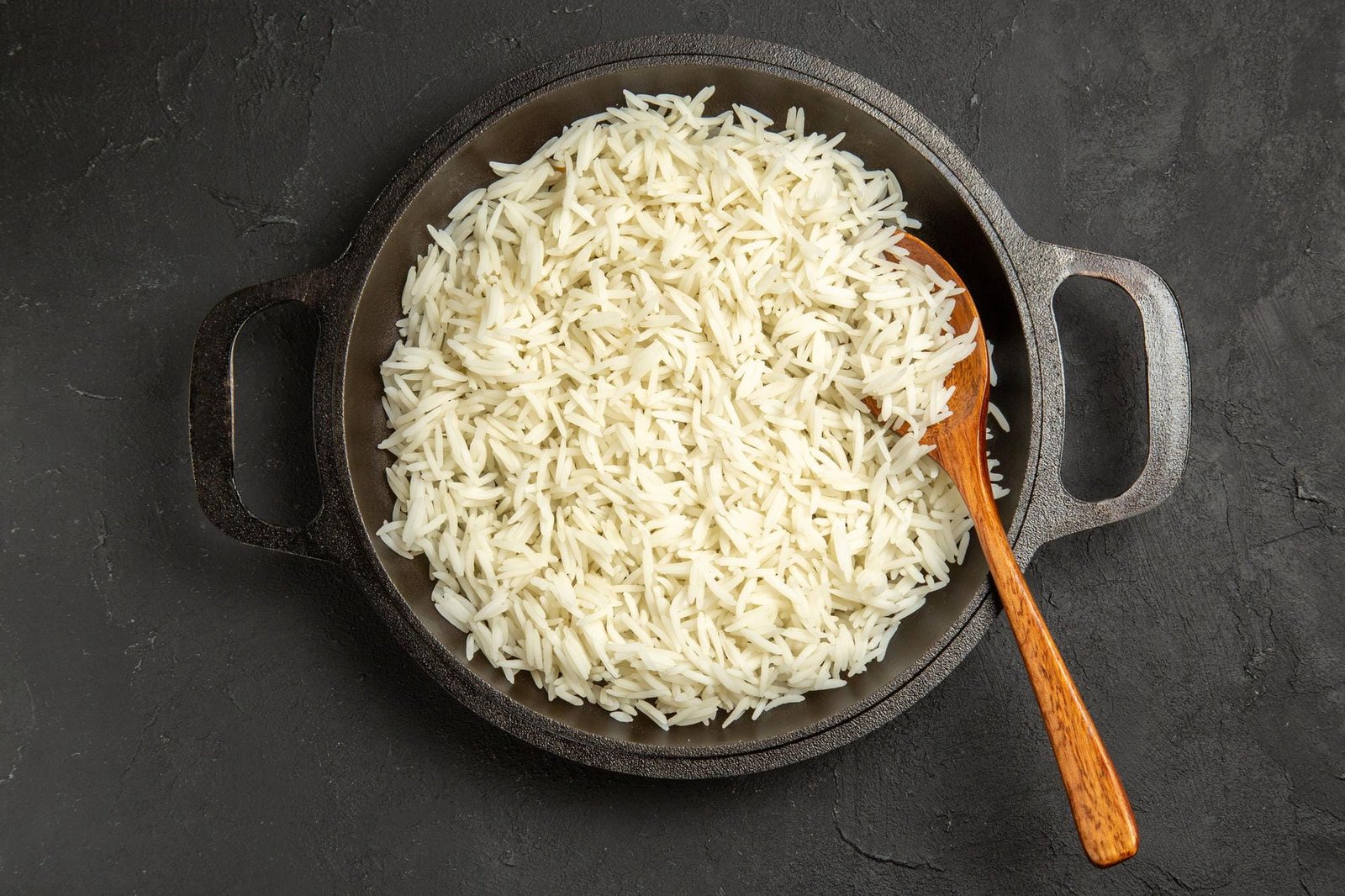
Pulao is North India’s answer to a quick one-pot meal. Fragrant rice is cooked with vegetables, spices, and sometimes meat or paneer. The result is a flavorful, aromatic dish that comes together in under 30 minutes.
Unlike biryani, which requires multiple layers and steps, pulao is straightforward and forgiving. It’s perfect for using up leftover vegetables and makes a satisfying meal with just a bowl of raita on the side.
Tips for Perfect One-Pot Meals
Choose the Right Pot — A heavy-bottomed pot or pressure cooker works best. It distributes heat evenly and prevents burning.
Layer Your Flavors — Start by tempering your spices in hot oil. This releases their aroma and builds a flavor foundation.
Use the Right Liquid Ratio — The key to a perfect one-pot meal is getting the liquid ratio right. Different grains absorb liquid differently, so adjust accordingly.
Don’t Over-Stir — Stirring too much can break down the grains and make the dish mushy. Stir gently and only when necessary.
Check the Heat — Start on high heat to bring the pot to a boil, then reduce to a simmer. Low, steady heat ensures even cooking without burning.
For more one-pot meal inspiration, check out BBC Good Food’s collection of one-pot recipes — perfect for busy weeknights.
Pro Tips for Busy Weeknights
Prep in Advance — Chop vegetables and measure spices the night before. This saves time when you’re cooking after work.
Use a Pressure Cooker — For dishes like khichdi, sambar, and Bisi Bele Bath, a pressure cooker cuts cooking time in half without sacrificing flavor.
Double the Batch — One-pot meals often taste even better the next day. Make extra and save leftovers for lunch.
Customize Freely — Don’t be afraid to swap vegetables or adjust spices based on what you have. One-pot meals are forgiving and flexible.
If you’re a fan of khichdi, you’ll love our guide on Best One-Pot Khichdi Recipes for Comfort Food Lovers — packed with tips and variations.
Frequently Asked Questions
What’s the difference between khichdi and pongal?
Both are made with rice and moong dal. Khichdi is lighter and often has fewer spices, while pongal is seasoned with black pepper, cumin, and ghee for a richer flavor.
Can I use brown rice instead of white rice in one-pot meals?
Yes. Brown rice works well but requires more liquid and longer cooking time.
Can I make these meals vegan?
Easily. Substitute ghee with oil and skip any paneer or dairy-based ingredients. Coconut milk is a great vegan alternative in South Indian recipes.